Skip to content
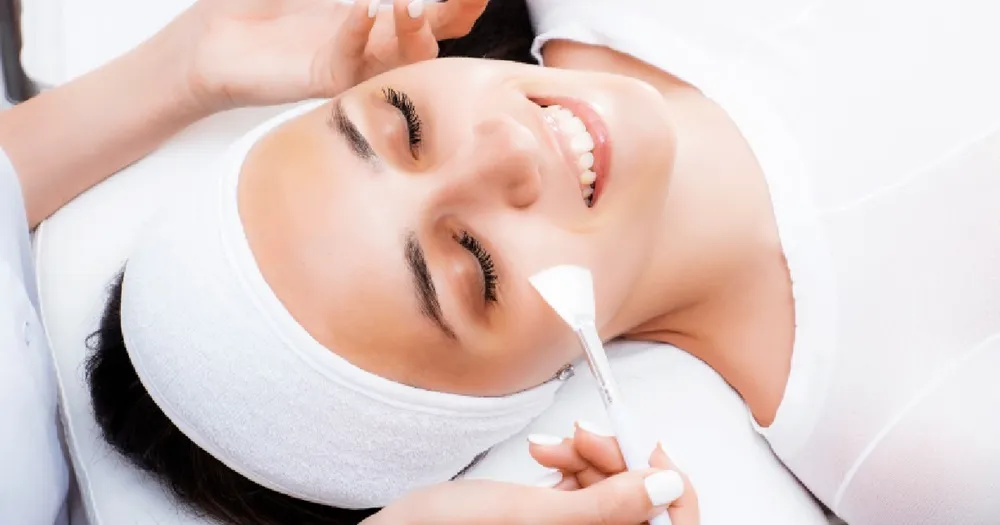
Table of Contents
Skin concerns like fine lines, uneven tone, and dark spots often appear gradually, yet they can make a big impact on how skin looks and feels. At The Indy Medical Aesthetics and Wellness, we offer the chemical peel as a standout treatment for its ability to address these issues at both the surface and deeper levels. The science behind its results is rooted in controlled exfoliation, stimulation of skin renewal, and targeted pigment correction making it one of the most versatile non-surgical options available.
What Happens During a Chemical Peel From a Scientific Perspective
A chemical peel works by applying an acidic solution to the skin, typically containing alpha-hydroxy acids (AHAs), beta-hydroxy acids (BHAs), or trichloroacetic acid (TCA). These acids break down the bonds between dead or damaged skin cells in the top layer of the epidermis. This process offers multiple chemical exfoliation benefits by prompting the skin to regenerate with fresher, smoother, and more even-toned cells.
This is not just a superficial refresh. The process triggers several important changes within the skin:
- Exfoliation of Damaged Layers – Loosening the connections between dead cells encourages the shedding of rough, uneven, or pigmented areas.
- Acceleration of Cell Turnover – New cells replace old ones more quickly, improving overall skin tone and texture.
- Collagen Stimulation – The mild injury caused by the peel activates fibroblasts to produce more collagen, the protein that supports skin’s firmness and elasticity.
- Melanin Regulation – Certain acids interfere with the enzyme tyrosinase, reducing excess pigment formation and dispersing existing dark spots.
Each of these actions plays a unique role in targeting fine lines and hyperpigmentation, making a chemical peel for glowing skin an excellent treatment choice.
How Chemical Peels Reduce Fine Lines
Fine lines form when the skin’s collagen and elastin network weakens, often due to natural aging, sun exposure, and lifestyle factors. As the dermis thins, surface texture changes become more visible. Chemical peels for aging skin improve this in several scientifically backed ways:
- Stimulating Collagen Production
When the peel removes the outermost layer, the skin perceives this as a mild injury. This controlled injury activates fibroblasts specialized skin cells that produce collagen and elastin. Over time, this enhanced collagen network supports a smoother, more resilient surface. - Smoothing the Skin’s Texture
By shedding dull, damaged skin cells, chemical peels make fine lines less noticeable. This is particularly effective for early, shallow lines that develop from repetitive facial expressions or mild sun damage. For many, the best chemical peel for wrinkles is one that is strong enough to encourage collagen renewal without causing unnecessary downtime. - Enhancing Skin Hydration Retention
Fresher skin cells have a stronger barrier function, helping the skin hold moisture more effectively. Hydrated skin naturally appears plumper, making fine lines less pronounced.
The overall effect is a gradual softening of wrinkles, especially when peels are performed as part of a series.
How Chemical Peels Improve Hyperpigmentation
Hyperpigmentation occurs when excess melanin skin’s natural pigment collects in certain areas, creating dark spots, melasma patches, or post-inflammatory marks. These pigment changes can be stubborn, but safe chemical peels for all skin types help in several ways:
- Removing Pigmented Skin Cells
The exfoliating action physically eliminates some of the melanin-containing cells in the upper epidermis, reducing surface discoloration. - Interrupting Melanin Production
Certain peel ingredients, such as glycolic acid or mandelic acid, can disrupt the melanin production process by inhibiting tyrosinase, the enzyme responsible for pigment synthesis. - Encouraging Even Pigment Distribution
As new skin cells form during the regeneration process, pigment becomes more evenly distributed, creating a more balanced complexion.
This combination of physical removal, biochemical interference, and cellular renewal makes chemical peels an effective choice for pigmentation concerns that topical creams alone may not fully address.
Why the Science Matters for Results
The most important takeaway is that a chemical peel is not simply a “skin polisher.” It engages with the skin’s biology at multiple levels. While the visible outcome may be brighter, smoother skin, the underlying processes collagen renewal, pigment regulation, and cell turnover are what make the results more lasting.
Different peels can be tailored to specific needs:
- Light peels focus on surface exfoliation and brightening, providing quick exfoliating treatments for radiant skin.
- Medium-depth peels reach deeper into the epidermis to address more pronounced fine lines and pigmentation.
- Deep peels can target severe sun damage but require more downtime.
Selecting the right type of peel is crucial for both safety and effectiveness, which is why professional assessment is key.
What to Expect from a Treatment Plan
While a single chemical peel can create visible improvement, the most noticeable and lasting results often come from a series of treatments spaced weeks apart. This approach supports ongoing collagen production, gradual pigment reduction, and consistent skin renewal.
A typical treatment plan may involve:
- Initial consultation to assess skin type, current concerns, and desired results.
- Preparation phase with skincare products to prime the skin for optimal peel penetration.
- Series of peels tailored to progressively improve skin condition.
- Maintenance treatments every few months to preserve results.
Because the peel process encourages new skin cell development, patients often notice continued improvement even weeks after their last session.
Professional Chemical Peels vs. At-Home Exfoliation
Over-the-counter exfoliating products can smooth the skin temporarily, but they do not reach the same depth or provide the same biochemical effects as a professionally administered chemical peel in Cleveland, OH. Professional treatments are designed to:
- Penetrate to a more effective depth without compromising safety.
- Use higher concentrations of active ingredients for better results.
- Be customized to individual needs, taking into account skin sensitivity and goals.
This customization ensures the skin receives exactly the right level of exfoliation and stimulation for noticeable changes in both texture and tone.
Why Choose The Indy Medical Aesthetics and Wellness for Your Peel
The effectiveness of a chemical peel is heavily influenced by the expertise of the provider. At The Indy Medical Aesthetics and Wellness, treatments are performed with careful evaluation of skin type, existing concerns, and overall skin health. This ensures every peel is both safe and targeted for maximum benefit.
With access to medical-grade solutions, advanced application techniques, post-treatment care guidance, and a convenient location in downtown Cleveland, OH, patients can feel confident that their skin is being treated at the highest standard. Whether your primary concern is softening fine lines, reducing hyperpigmentation, or achieving an overall brighter complexion, a customized chemical peel plan can help you reach those goals.
Taking the Next Step
Improving fine lines and hyperpigmentation requires more than surface-level treatments it calls for a targeted approach that supports skin health from within. A chemical peel offers exactly that, blending visible renewal with deep biological benefits.
If you’ve been considering a peel, scheduling a professional consultation is the best way to determine the right type and strength for your needs. At The Indy Medical Aesthetics and Wellness, each of our services is tailored to help you achieve a smoother, more radiant complexion backed by proven science.
Ready for smoother, glowing skin? Book your professional peel now!